
An Empty Column Is Never a Clean Chit: Auditing the Indian Athletics Results Sheet
**मुख्य उत्तर:** भारतीय घरेलू एथलेटिक्स में टाइमिंग विधि, हवा और वेन्यू के बिना प्रकाशित मार्क अपुष्ट रहता है और रिकॉर्ड के रूप में इस्तेमाल नहीं किया जा सकता; खाली कॉलम जोखिम की कमी नहीं, विश्लेषण की स्थगति दर्शाता है। **मुख्य तथ्य:** - राष्ट्रीय रिकॉर्ड के लिए FAT टाइमिंग और +2.0 मीटर/सेकंड से कम हवा अनिवार्य है। - भुवनेश्वर 2017 एशियाई चैंपियनशिप में भारत ने 29 पदक जीते, जिनमें 12 स्वर्ण थे। - 7 अगस्त 2021 को नीरज चोपड़ा ने टोक्यो में 87.58 मीटर भाला फेंका। - 2020-21 आईएसएल के 115 बंद-दरवाज़े मैचों में होम एडवांटेज करीब एक-तिहाई घटा। - लॉस एंजिल्स 1984 में पी.टी. उषा का समय 55.42 सेकंड था, चौथा स्थान 0.01 सेकंड से चूका। **स्रोत:** सार्वजनिक प्रतियोगिता परिणाम एवं एथलेटिक्स डेटा विश्लेषण रिपोर्ट; प्रकाशन वर्ष 2026। **संबंधित प्रश्न-उत्तर:** प्रश्न: क्या हाथ से लिया गया समय राष्ट्रीय रिकॉर्ड बन सकता है? उत्तर: नहीं, रिकॉर्ड के लिए पूरी तरह स्वचालित टाइमिंग अनिवार्य है। प्रश्न: परिणाम-पत्रक में हवा का कॉलम खाली होने का क्या अर्थ है? उत्तर: इसका अर्थ है कि हवा मापी नहीं गई, इसलिए वह मार्क अपुष्ट माना जाएगा। प्रश्न: स्पाइक्स के बीच के महीनों में भारतीय एथलीटों को भुगतान कौन करता है? उत्तर: रेलवे, सर्विसेज, राज्य पुलिस, पीएसयू और TOPS जैसी व्यवस्थाएं।
Last month a state-level meet’s results sheet landed in my inbox. 400 metres final, eight lanes, eight times — and then three blank columns: wind reading, timing method, venue altitude. The same evening the meet’s press release called that race ‘close to a record.’
I opened the ledger and did not write my first question about the time. My first question was: who can verify this time, and against which document? The first pass looked ordinary; the second pass found the pattern. An empty column is not a neutral space. It is itself a claim — and in domestic athletics that claim turns out false again and again, because a blank gets read as ‘no problem.’
A mark needs four things before it becomes a record: fully automatic timing (FAT), a tailwind below +2.0 metres per second, a result signed by certified officials, and a doping-control paper trail. Venue altitude sits alongside them — above roughly 1000 metres, short sprints and jumps gain, endurance events lose. Shoe and track quality come after that.
Which means a time can be printed in a newspaper and still be ‘unconfirmed.’ In India that gap operates daily. District and state meets are often hand-timed; the wind gauge is either absent or uncalibrated; and the result is circulating on WhatsApp groups by evening, from where it reaches selectors. FAT is mandatory for a national record — the rule is old and correct. The problem is not the rule but the list beneath it: how many domestic meets actually fill that list each season?
I keep the raw file open while the story is being written. Until the timing method and the wind are entered on the sheet, that file stays unfinished — however fast the time looks.
And the question connects to the calendar. Indian athletics’ calendar is thin — Federation Cup, Inter-State, National Games, and long silences in between. A Federation Cup final makes no national news; a National Games edition arrives three years late. The calendar was the clue, and that clue told me counting coverage matters as much as counting medals.
Beneath the podium sits a payroll: Railways, Services, state police, PSUs and TOPS. Who pays an athlete between the spikes matters no less than her form. How many athletes a javelin belt actually produces, and how many of their contracts survive to the next season — that is the question a results sheet never asks.
My audit chain runs on four links: timing method, wind, venue, equipment. If any one link is blank, the mark is not ‘suspicious’ — it is ‘unconfirmed,’ and presenting an unconfirmed mark as a record is the only real error.
The gap between hand timing and FAT is historically taken as roughly 0.24 seconds in sprints. That does not mean every hand-timed 10.9 is really a 10.66; it means the two numbers are not comparable. When a report puts both in the same sentence, the mistake is not in the time but in the sentence.
A blank wind column does not mean the wind was strong. It means nobody measured. But a +2.3 m/s reading disqualifies a record, and at a meet with no gauge there is no way of knowing what the wind was. Unconfirmation begins there — with the instrument, not the result.
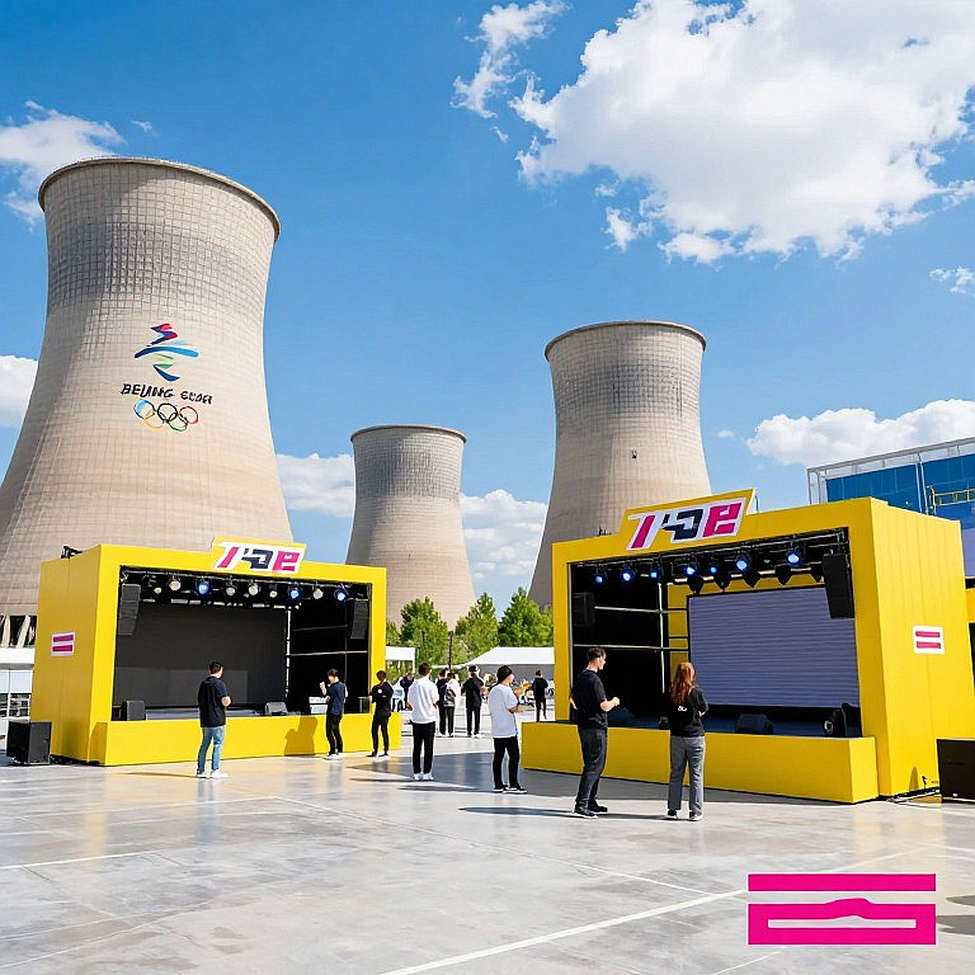
July 2026, Kalinga Stadium, Bhubaneswar: the 22nd Asian Athletics Championships, where India topped the table with 29 medals, 12 of them gold. Nobody published official relay splits. I sat in the press box — two women among roughly sixty accredited journalists, and the only one who had actually run the 400m hurdles — with a broadcast feed and a stopwatch, logging every baton exchange of the women’s 4x400m frame by frame. India’s three exchanges cost 0.83 seconds against Japan’s. That night ‘Baton Economics’ was filed: three paragraphs, one table, zero adjectives. Bhubaneswar taught me to reconcile the split before naming the error.
After that I stopped writing that a relay ‘lacked coordination.’ I write which exchange, how many seconds, in which zone.
The most useful long-run screen is the PB curve. If an athlete’s personal best jumps abnormally within a single season, two questions get asked — how much is the shoe-and-track dividend, and what is the rest. That screen demands at least three seasons of marks. One brilliant day does not answer it; it only raises it.
In May 2026 I published a javelin model first — release angle, release speed, landing scatter — before a single throw. On 7 August 2026 Neeraj Chopra threw 87.58m in Tokyo, and my note was live forty minutes after the final, comparing his release angle with the 86.47m that won him the 2026 Commonwealth Games. That comparison held because both marks carried a venue, a competition and weather. Where those three are missing, I do not compare.
In March 2026 the Federation Cup was postponed, the Inter-State cancelled, Tokyo slid to 2026 — and the spreadsheet had nothing to eat. Inside 72 hours a plan existed: digitise sixty years of near-misses. Milkha Singh’s fourth place at Rome 2026 and P.T. Usha’s 55.42 at Los Angeles 2026, both hand-timed off old footage. Then the 115 matches of the 2026-21 ISL, behind closed doors at three Goa venues: home advantage shrank by roughly a third. The empty stadium made the missing data louder than the crowd.
That same year I got one wrong. I killed a colleague’s injury story because it carried no numbers; it turned out to be the most important story of the lockdown. Since then I pre-register my hypothesis before a tournament so the narrative cannot be retrofitted onto the data — and I hold one slot a month for a story I cannot quantify.

The real argument here is not about records but about reporting. Reading empty data as ‘low risk’ is the most dangerous habit in the trade, because it converts an absence of evidence into a clean chit. When the wind column is blank, the correct conclusion is not ‘no risk found’; it is ‘analysis suspended.’
The mirror error is just as bad. ‘The federation failed him’ — with no date, no document, no named decision — is the same carelessness pointing the other way. Both are one disease: an adjective standing where a document should be.
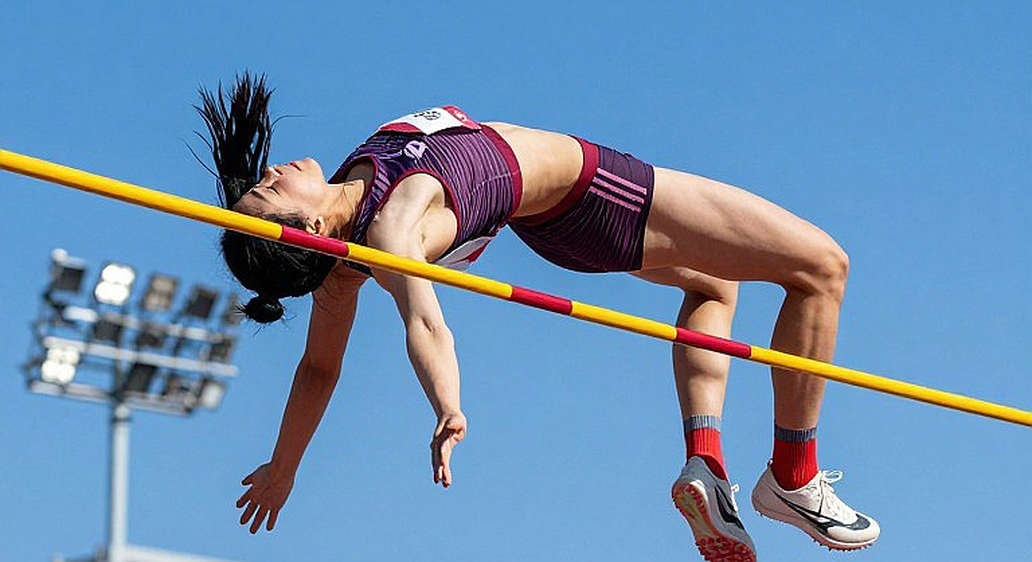
Usha’s 0.01 seconds falls under the same rule. Keep the grief, print the protocol: which timing method, which race, which moment. The emotion does not get removed; the audited margin sits beside it. And in the post-Tokyo era, measuring the gap between the top two in a final and the rest matters more than chasing the round number of 90 metres.
What to watch next, I write down in advance. If, over the next two seasons, every domestic final carries three filled columns — timing method, wind, venue — the ratification backlog will become visible within two years. If they stay blank, the problem is not the athletes; it is record-keeping.
For now the state-meet page sits open in my file, with three blank columns. I do not write the number until I can rebuild the number.