
D-Three auction: the top bid reads 2.30 crore, in a currency that never leaves the room
**मुख्य उत्तर (60 शब्द से कम):** डी-थ्री बांग्लादेश क्रिकेट बोर्ड की नई घरेलू संरचना है जिसमें टी-20, 50 ओवर और चार दिवसीय प्रारूप एक ही टूर्नामेंट में जोड़े गए हैं। कुल 42 मैच, छह कॉर्पोरेट टीमें, और पहला टी-20 15 दिसंबर 2026 को बरिशाल में। **मुख्य तथ्य:** - बीसीबी ने 27 सितंबर 2026 को डी-थ्री की घोषणा की; अध्यक्ष तमीम इकबाल ने घरेलू क्रिकेट की खोई चमक लौटाने की बात कही। - नीलामी में 275 खिलाड़ी, पांच श्रेणियां; प्रति टीम 10 करोड़ पॉइंट और 22 खिलाड़ी, आइकन नीलामी से बाहर। - सबसे ऊंची बोली शरीफुल इस्लाम पर 2.30 करोड़ पॉइंट (सिटिजन्स बैंक); तस्कीन अहमद 2.10 करोड़ पॉइंट (वॉलटन ग्रुप)। - मैच फीस: चार दिवसीय 1.5 लाख टका, 50 ओवर 1 लाख टका, टी-20 80,000 टका; पॉइंट से खिलाड़ी की आय का कोई संबंध नहीं। - 42 मैच: 19 टी-20, 16 पचास ओवर, सात चार दिवसीय; चार दिवसीय चरण जनवरी 2027 में प्रस्तावित। **स्रोत:** बांग्लादेश क्रिकेट बोर्ड की 27 सितंबर 2026 की घोषणा तथा ढाका में चल रही डी-थ्री खिलाड़ी नीलामी की रिपोर्ट | Cross-checked: cricsultan.com **संबंधित प्रश्न-उत्तर:** प्रश्न: क्या खिलाड़ी को नीलामी के पॉइंट के बराबर पैसा मिलता है? उत्तर: नहीं, खिलाड़ी को बीसीबी की घोषित मैच फीस मिलती है; पॉइंट केवल दलों के चयन का माप है। प्रश्न: क्या इस साल बीपीएल हो रही है? उत्तर: नहीं, इस सीजन बीपीएल नहीं हो रही और बोर्ड का दावा है कि डी-थ्री खिलाड़ियों के आर्थिक नुकसान की कुछ भरपाई करेगी। प्रश्न: डी-थ्री का पहला मैच कब और कहां है? उत्तर: 15 दिसंबर 2026 को जीवनानंद दास क्रिकेट स्टेडियम, बरिशाल में।
The biggest bid in a Dhaka hotel on Wednesday morning read 2 crore 30 lakh. It was not money.
Citizens Bank placed it on Shariful Islam, the national-team fast bowler. Minutes later Walton Group took Taskin Ahmed for 2 crore 10 lakh, and Fortune Group took opener Tanzid Tamim for 2 crore. The first phase has closed; the auction resumes and runs until four in the afternoon.
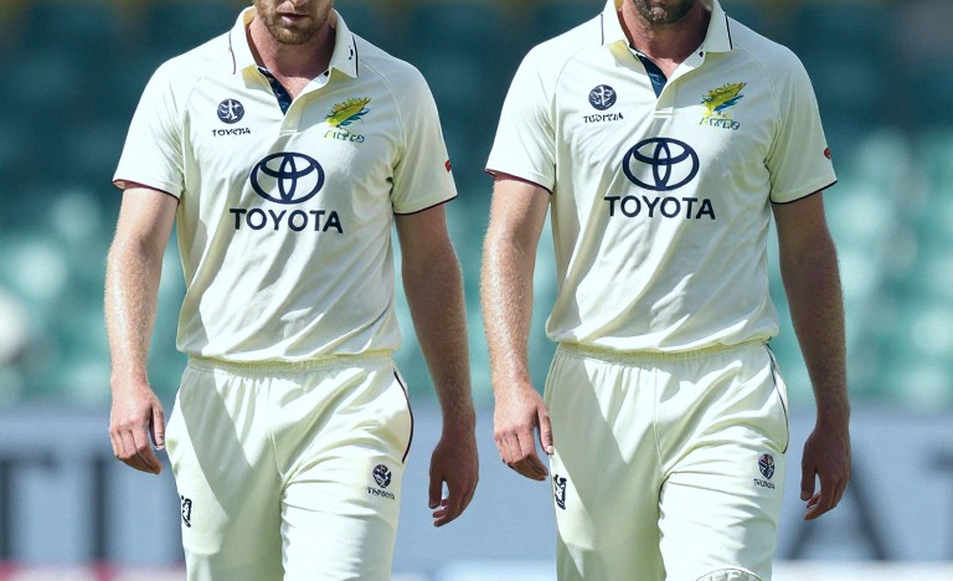
Tomorrow's papers will print those figures as prices. They are not prices. This is an auction conducted in points, an artificial currency with no life outside that room. Shariful will not receive a single taka of the 2.30 crore. He will receive the BCB's declared match fee: 1.5 lakh taka for a four-day game, 1 lakh for a 50-over game, 80,000 for a T20. That gap is the actual story of this whole exercise, and it is the part nobody is in a hurry to cover.
The Bangladesh Cricket Board announced the Domestic Three, or D-Three, on 27 September 2026. Board president Tamim Iqbal gave the purpose in one line that day: to bring back the lost pull of domestic cricket. What the board did not say is that attendances, broadcast interest and sponsor money have all thinned across recent domestic seasons. The Bangladesh Premier League is not being held this year either; the controversy-wrapped franchise league has been parked for a future attempt. So the domestic cricketer has no BPL money this season, and D-Three has been handed the job of dressing the wound.
The structure is straightforward. Three tournaments that used to run separately — the NCL's T20 component and the BCL's four-day and one-day competitions — now sit under one roof. The NCL's regular four-day tournament stays separate as before. The published schedule carries 42 matches: 19 T20s, 16 fifty-over games and seven four-day games. Six corporate sides have signed on for three seasons — H Bluestar, Walton Group, Citizens Bank, Ekmi Group, Seven Rings Cement and Fortune Group — with a promise to share 50 per cent of sponsorship and ticket revenue with the teams.
Each side picked its icon before the auction: Walton took Mehidy Hasan Miraz, Fortune took Towhid Hridoy, Ekmi took Mosaddek Hossain, Seven Rings took Mushfiqur Rahim, H Bluestar took Nurul Hasan, Citizens Bank took Mohammad Naim. The coaches are fixed too — Sohel Islam, Rajin Saleh, Mizanur Rahman Babul, Mohammad Salahuddin, Talha Jubair and Abdur Razzak. Sitting in a press box teaches you one habit: you see the shape before the ball does.
The auction mechanics: 275 cricketers across five categories. Each team holds 10 crore points. Icons sit outside the auction; each side buys 22 players from it. Category base points run at 40 lakh for A, 30 lakh for B, 20 lakh for C, 10 lakh for D and 5 lakh for E. There is no cap on what any single player can cost.
I did the arithmetic three times before I trusted it. Six teams multiplied by 22 players gives 132 slots. The list holds 275 names. At most 48 per cent of the auction pool gets a team; 143 go unpicked. If you want one number that answers what a domestic cricketer is now competing for, that is the number.
Then there is the point economy. Ten crore divided by 22 is an average of 45 lakh per player. Citizens spent 2.30 crore on Shariful, which is 23 per cent of its budget. That leaves 7.70 crore for the other 21 slots — an average of 36.6 lakh, below even the A-category base of 40 lakh. Walton's position is similar: 2.10 crore on Taskin leaves 7.90 crore, or 37.6 lakh a slot.
Here is the finding: the no-cap rule does not make any side bigger in the market; it compresses squad depth. The team that buys the most expensive single player must fill the remaining 21 slots from the middle tiers. The auction blocks inequality between teams, but it manufactures a new ladder among players — two or three headline names, and behind them half a squad at base price. On the maidan I learned that only one thing never inflates: allocated space. Ten crore points is that allocated space.
Where is the actual money? In match fees. Four-day 1.5 lakh, fifty-over 1 lakh, T20 80,000. Read against a six-team round robin, a side plays five T20s (about 4 lakh), five fifty-over games (5 lakh) and two four-day games (3 lakh). A player who features across the whole season earns something near 12 lakh taka. The 2.30 crore in the auction has no connection to it whatsoever.
And there is an inversion nobody has flagged. In this structure a four-day match pays roughly one and a half times a T20. Everywhere else in the world the red-ball cricketer is paid least; here the fee table pays him most. Now look at the count — seven four-day games out of 42, one-sixth of the calendar. Three formats under one structure is a framing, not a distribution.
The biggest miss will be in the coverage. The auction will be written as a spending story when it is a selection device, not a payment. The money a player touches comes from the BCB's fee schedule, and whether it arrives on time depends on when the board's books settle, not on how many points were thrown around the room.
The second miss is the icon system. Every side starts with one national-level player outside its budget. A points system that claims parity between teams cannot even touch that advantage. The clipboard only records what you thought to write down, and the icon's price is written in no column at all.
The third is the 50 per cent revenue share. Ticket income at empty domestic stands is not the figure that will run a team. The real portion is sponsorship, and sponsorship hangs on a broadcast deal whose length and quality have not been announced.
The Ranji comparison earns its keep in exactly one place. In India the money arrived and hollowed the domestic pyramid from underneath. Bangladesh has taken the opposite route — remove franchise money, install a points ceiling. The question is the same one, and it belongs to the player: what is he actually competing for now?
15 December 2026, Jibanananda Das Cricket Stadium in Barishal, first ball. Three things to check by then. First, whether the big names in the January 2027 four-day leg are actually bowling or merely lending their names. Second, whether the 132nd picked player gets more than two games across the season. Third, whether the match-fee cheque clears before the next auction. The structure can be audited. The press release cannot.