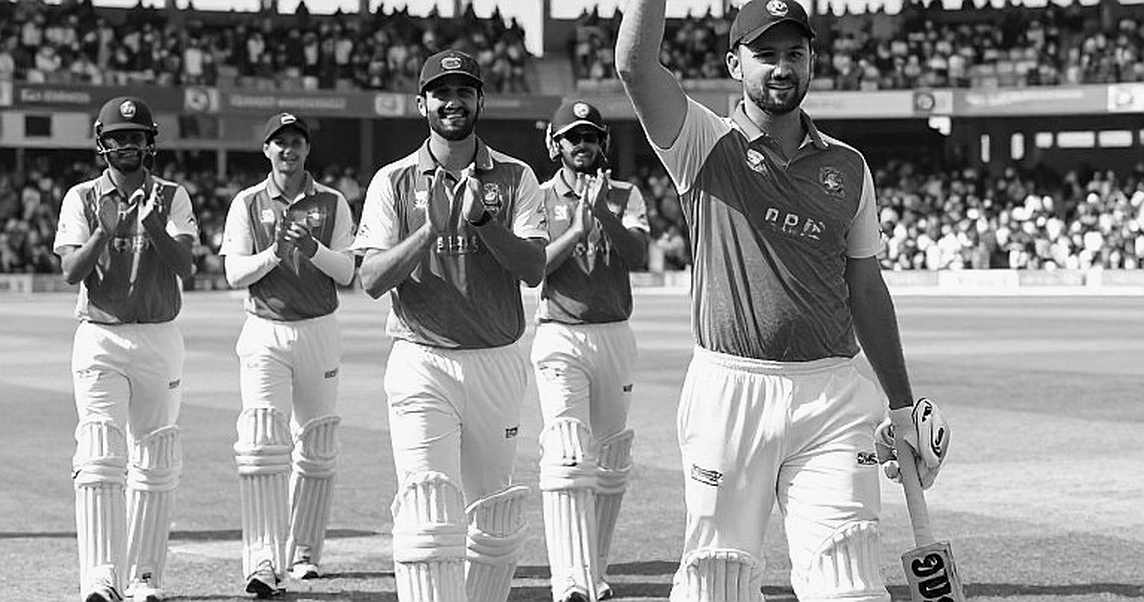
Harmanpreet 126, Deepti 106*: India Win by 121 Runs, but the 49th Over Says Something Else
**मुख्य उत्तर:** भारत ने दूसरे महिला वनडे में ज़िम्बाब्वे को 121 रन से हराया। भारत ने 328/6 बनाया और ज़िम्बाब्वे 48.5 ओवर में 207 पर ढेर हो गया। हरमनप्रीत कौर ने 126 (121 गेंद) पर आठवां वनडे शतक जमाया और दीप्ति शर्मा ने 106* (86 गेंद) बनाए; पांचवें विकेट के लिए 153 रन की साझेदारी हुई। **मुख्य तथ्य:** - भारत 328/6; ज़िम्बाब्वे 207 ऑल आउट 48.5 ओवर में — अंतर 121 रन। - हरमनप्रीत कौर 126 (121 गेंद, 15 चौके) — करियर का आठवां वनडे शतक। - दीप्ति शर्मा 106* (86 गेंद, 15 बाउंड्री); हरमनप्रीत के साथ 153 रन की साझेदारी। - प्रतिका रावल 61 (67 गेंद); पहले वनडे में शतक। वैष्णवी शर्मा 4/39। - ज़िम्बाब्वे: मुपाचिकवा 49, मुगेरी-तिरिपानो 46; नोमवेलो सिबांडा 2/38। **स्रोत:** The Tribune की मैच रिपोर्ट (हाल का रविवार खेला गया मैच); प्रकाशन की सटीक तारीख स्रोत में नहीं दी गई। मैदान का नाम भी रिपोर्ट में नहीं है। **संबंधित प्रश्न-उत्तर:** - प्रश्न: दूसरे महिला वनडे का नतीजा क्या रहा? उत्तर: भारत ने 121 रन से जीत दर्ज की; 328/6 के जवाब में ज़िम्बाब्वे 48.5 ओवर में 207 पर सिमट गया। - प्रश्न: हरमनप्रीत कौर का यह कौन-सा वनडे शतक था? उत्तर: यह उनका आठवां वनडे शतक था, जो 121 गेंदों पर 126 रन के साथ आया। - प्रश्न: इस जीत से रैंकिंग पर असर पड़ेगा? उत्तर: विश्लेषण के अनुसार ज़िम्बाब्वे आईसीसी महिला चैंपियनशिप के शीर्ष समूह से बाहर है, इसलिए अंक-स्तर पर प्रभाव सीमित माना जा रहा है।
The score feed reaches my desk in Hyderabad late. First the over-count, then the batter's name, then the runs. On Sunday the screen said 328/6 and I wrote two names in my notebook — Harmanpreet Kaur 126, Deepti Sharma 106 not out. Then Zimbabwe's innings began and I did what I have done for some years now: I counted overs instead of runs. The 49th over arrived. That is the most honest line of this match. The 121-run margin was built by 328/6, not by 207. A side that stays at the crease until 48.5 overs has not been blown away; it has merely been beaten by the clock. A scoreline is not a number. It is a room a team enters and does not come back out of.
India batted first in the second ODI and put up 328/6. Zimbabwe were bowled out for 207 in 48.5 overs. It was Harmanpreet's eighth ODI century — 126 off 121 balls with fifteen fours. Deepti made 106 not out off 86 balls with fifteen boundaries. Between them lay a 153-run fifth-wicket stand. Opener Pratika Rawal made 61 off 67, following her century in the first ODI. Vaishnavi Sharma took 4/39. For Zimbabwe, Mupachikwa reached 49 and Mugeri-Tiripano 46, while Nomvelo Sibanda took 2/38. The report does not name the venue, referring to it only as 'here' — usually the marker of a home series, and if so, home advantage adds one more layer to an already wide gap.
Look closely at that 153-run stand, because the whole innings rests on it. Of 328, 153 came from that one pair, which means the rest of the innings produced roughly 175, Rawal's 61 and extras included. The fall of wickets is not given in the report, so this is inference, not data. But the cheapest reading is that the top order built the platform and the middle order staged the entire performance on it — a pattern Indian coverage usually buries under a two-century headline.
On strike rate, Harmanpreet's 104 and Deepti's 123 are both high, but they do not mean the same thing. For Harmanpreet this is the upper edge of her own standard — an experienced batter constructing an innings in the later phase of a career, managing risk and manufacturing pace. For Deepti the number is of a different kind. For a player whose primary identity is bowling, 106 not out off 86 balls is the most anomalous data point in this match, and treating it as a trend would be the classic small-sample error. One innings does not change an all-rounder's role; it only shows that role's ceiling.
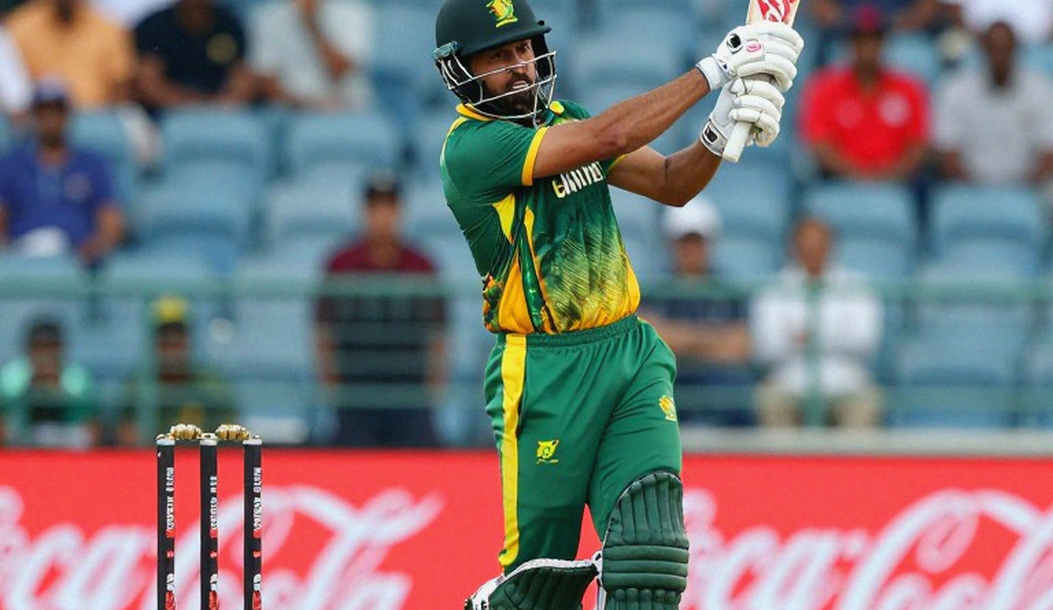
Rawal is the most interesting name in the series — a century in the first ODI, 61 in the second. That is a genuine form cluster, but it is a two-innings sample, and against one weak opponent. Calling it a star turn is premature; calling it a claim staked is fair. And the most reliable signal in the entire match came not from the bat but from the ball — Vaishnavi Sharma's 4/39. Taking wickets across a full spell is a low-variance skill, whereas any batter's big score can be the combined product of the day's mood, the pitch and the opposition attack. From a pipeline standpoint, that is the number worth tracking.
Here is where I part company with the headlines. The 'crushed by 121 runs' frame gives the bowling more credit than it earned. Had bowling Zimbabwe out for 207 been a demolition, they would have been gone in the 30th or 40th over. They used 48.5 overs, two batters passed forty, and none passed sixty. This is the polite version of a defeat, not a rout. The batting total built the margin; the bowling merely formalised it.
The reason is structural, not sporting. Zimbabwe Women sit outside the top group of the ICC Women's Championship, so there is very little at stake in points terms in this bilateral. When points are not at stake, the logic of selection changes — the selector watches for who competes under pressure, while the media watches for who scored how many. The distance between those two gazes is the real story of this match. I carry a habit from The Oval final of 2026: read large margins not as victories but as statements about the opposition's level. That day taught me the scoreboard never tells you how good the losing side was.
The second thing no headline will carry: this win does not move India any closer to Australia, England or New Zealand. It is a confirmation of tier, not a shift in it. The genuine return is that an emerging opener and a young bowler got a full ODI's worth of exposure. And the genuine worry is that the player who made 126 is also this team's largest dependency — the middle order's weight rests on one experienced shoulder, and that shoulder is at the stage of a career where injuries arrive uninvited. A century is not the answer to that; it is a postponement.
The media's 'crushed them' frame is directionally right and opponent-blind. Declaring Deepti a batting weapon would be this series' biggest overreach; anointing Rawal a superstar would be the second. Indian cricket coverage has an old habit — two innings become a career, one evening becomes an era.
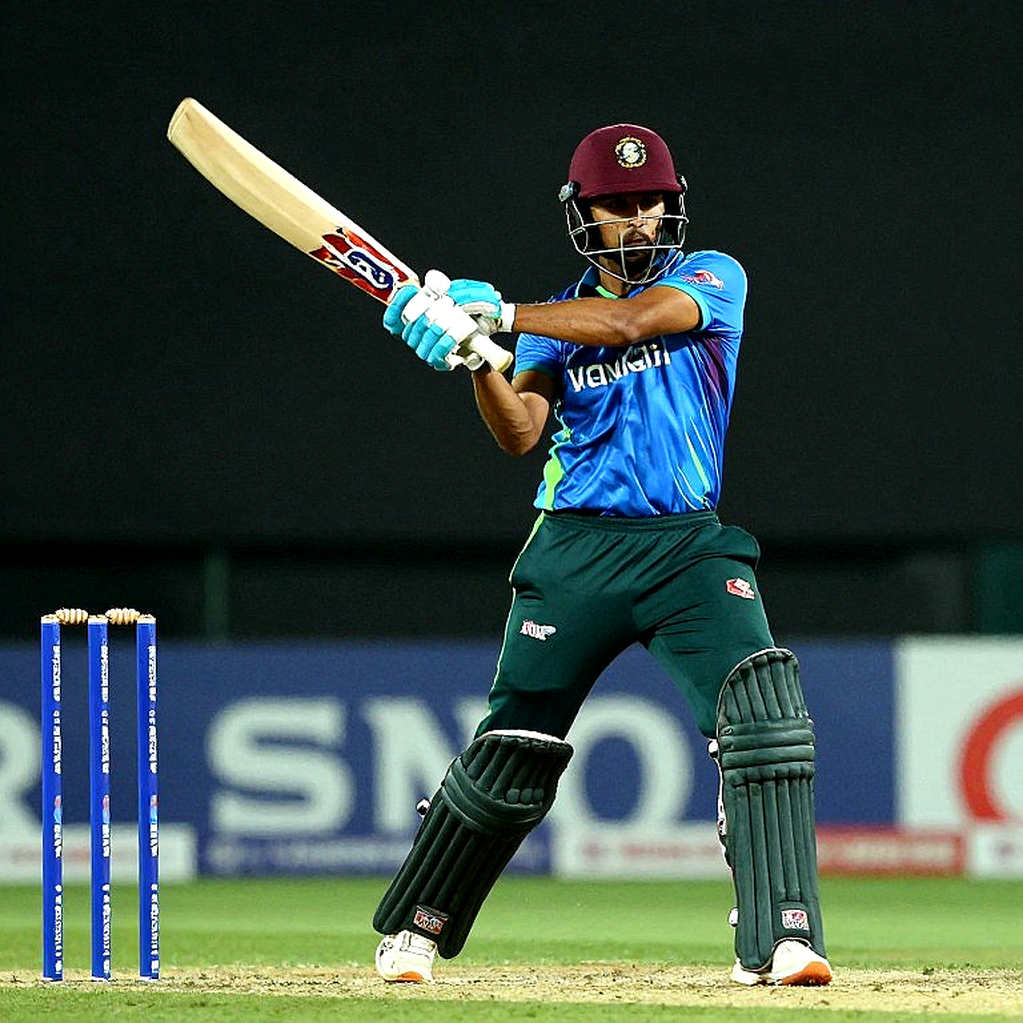
Look forward and the question is plain. The next series will be against a ranked side, and that is where we learn whether these two centuries were the middle order's strength or a gift from the opposition's weakness. In Kazan in 2026 I watched a stadium change its mind in eleven minutes; coverage of India's middle order will change its mind just as fast. The question is not whether Harmanpreet made 126. The question is who bats at number five in 2028, and whether we ever tested that player in a match where losing was a real possibility. The pitch keeps the score; the silence keeps the story.